
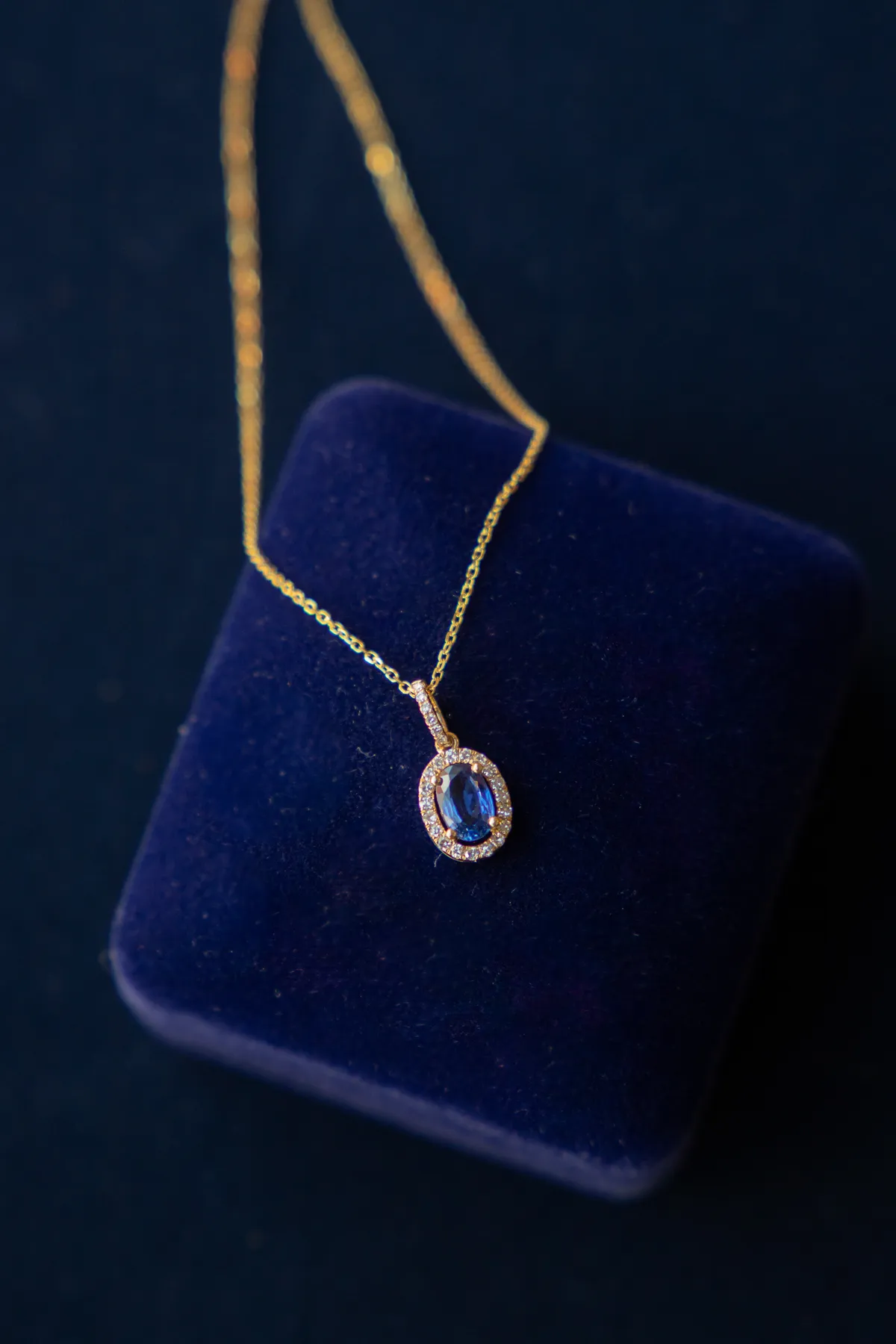
Sapphires are one of the most beloved gemstones, known for their beauty, durability, and incredible range of color. While blue is the classic sapphire color, sapphires can be found in nearly every shade of the rainbow.
Sapphire is the name used for any variety of the mineral corundum that is not red—red corundum is known as ruby. In its purest form, corundum is colorless, although naturally colorless sapphires are rare.
Beyond the classic blue, “fancy sapphires” can be violet, green, yellow, orange, purple, gray, brown, or black. Some sapphires even display more than one color, known as parti-colored sapphires, while others can change color depending on the lighting.
Sapphires have long been associated with nobility, truth, sincerity, and faithfulness, making them a natural symbol of romance and commitment. Their connection to royalty is perhaps best known through the blue sapphire engagement ring given by Prince Charles to Lady Diana Spencer.
Throughout history, sapphires have also been surrounded by symbolism and tradition. Ancient Greek and Roman royalty believed blue sapphires could protect their owners from envy and harm, while during the Middle Ages, clergy wore blue sapphires as a symbol of heaven.
Sapphires are an excellent choice for everyday jewelry thanks to their excellent toughness and lack of cleavage, meaning they are less likely to split when struck. They are also resistant to heat, light, and common chemicals.
For most sapphires, including untreated and heat-treated stones, warm soapy water, ultrasonic cleaners, and steam cleaners are typically safe. As with any gemstone, however, special treatments or inclusions can affect how a stone should be cleaned.
Whether you love the classic look of blue or prefer something a little more unexpected, sapphires offer endless possibilities. Stop by the store to see the many colors and styles of sapphire jewelry for yourself!
Sapphire is the name used for any variety of the mineral corundum that is not red—red corundum is known as ruby. In its purest form, corundum is colorless, although naturally colorless sapphires are rare.
Beyond the classic blue, “fancy sapphires” can be violet, green, yellow, orange, purple, gray, brown, or black. Some sapphires even display more than one color, known as parti-colored sapphires, while others can change color depending on the lighting.
Sapphires have long been associated with nobility, truth, sincerity, and faithfulness, making them a natural symbol of romance and commitment. Their connection to royalty is perhaps best known through the blue sapphire engagement ring given by Prince Charles to Lady Diana Spencer.
Throughout history, sapphires have also been surrounded by symbolism and tradition. Ancient Greek and Roman royalty believed blue sapphires could protect their owners from envy and harm, while during the Middle Ages, clergy wore blue sapphires as a symbol of heaven.
Sapphires are an excellent choice for everyday jewelry thanks to their excellent toughness and lack of cleavage, meaning they are less likely to split when struck. They are also resistant to heat, light, and common chemicals.
For most sapphires, including untreated and heat-treated stones, warm soapy water, ultrasonic cleaners, and steam cleaners are typically safe. As with any gemstone, however, special treatments or inclusions can affect how a stone should be cleaned.
Whether you love the classic look of blue or prefer something a little more unexpected, sapphires offer endless possibilities. Stop by the store to see the many colors and styles of sapphire jewelry for yourself!